





Highway Driving Tips for Teens
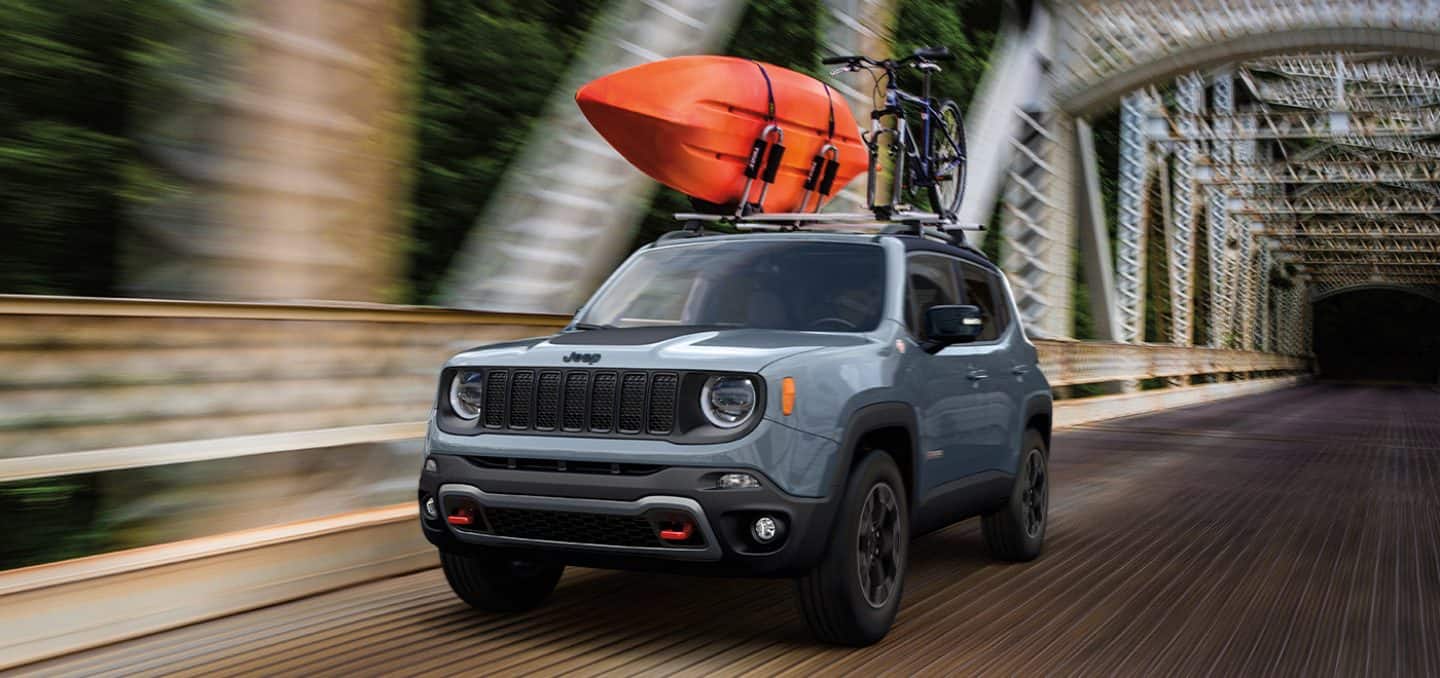
Highway Driving Tips for Teens
Get a Highway Safe Vehicle here at Akins
Driving on the interstate is something that all teen drivers need to know, and while learning to drive on the highway can be exciting, it is sure to give you a bit of anxiety thanks o the high speeds and all of the vehicles entering and exiting. Once your teen driver feels they have conquered the city streets, they need to take on the highway. Like driving on the city streets, safety should always be the top priority when taking on the highway. Before your teen starts driving on the highway, we have come up with some tips that will help them! Once you are done reading, check out our complete inventory here on our website!
Always Pay Attention
When your teen is driving on the street, they probably have a tendency to stare straight ahead. This is especially true if it happens to be their first few times behind the wheel. When your teen heads onto the highway, they need to look at what's ahead by to the sides and behind the vehicle and frequently adjust their observation points. In addition, while your teen is on the highway, they always need to remember the signal. While they should be signaling no matter where they drive, this is especially true when they are on the highway. No driver, no matter how long they have been behind the wheel, should rely on their instincts to figure out other drivers intentions. So they will need to use their blinker to communicate with other drivers. That way, they know what they are doing and vice versa.
When Changing Lanes
Changing lanes goes along with using your blinkers. It's essential that your teenage driver keep a safe distance between themselves in the other vehicle, and they will need to use their turn signal to let other drivers know that they are changing lanes. Before you change lanes, your teen needs to make sure that they're constantly checking their mirrors and be sure that they check their blind spot to ensure that there are no other vehicles in the lane that they are changing into.
Entering and Getting Off the Highway
When a teen is just learning to drive on the highway, one of the most pressing obstacles they will face is the initial entry onto the highway. When merging onto the turnpike from the entry ramp, your teen needs to ensure that they are getting up to highway speed as soon as possible. They need to be sure they are using their turn signal and then look for a gap in the lanes so they can try and enter the highway. Once they get on the highway, they need to slow down so they are driving the posted speed limit. At first, your teen needs to stay in the right lane until they get more comfortable. They also need to remember that the left lane is for passing only, while the middle and the right lanes are for driving. When they are ready, they can move into the middle lane and then practice passing in the left lane.
Choose a Slow Time
When your teen is learning to drive on the highway, they should never practice during rush hour. Your teen will be better served to practice later in the evening or on the weekend when fewer vehicles are on the road. This will make it easier for your teen to learn with less traffic, and it's also a good idea to wait for a clear day, as when it is raining, there will be less viability.
Keep Your Teen Comfortable
Once your teen feels as though they are ready to start driving on the highway, you need to remind them to take more time practicing on surface streets first. This will give them more comfort, and they will be more ready when driving on the highway. It helps if they have an experienced driver with them, which is a must if they don't have a permit or a license. Your teen needs to know that driving on the highway is different than driving on the streets, but if they take the proper precautions, it will become second nature to your teen. Another thing your teen driver needs to remember is that driving lessons are available to anyone, so there are professionals out there that can help your teen driver on the highway.
Check out our Highway Safe Vehicle Inventory at Akins
If you're looking for a vehicle that will be entirely safe for your teen driver, then you need to check out our extensive inventory here at Akins DJCR. It's here where you will find several vehicles, such as the Cherokee, the Wrangler, and the Charger, which all come with a bevy of safety features that will make sure your teen is secure when they take their vehicle on the highway. If you would like to schedule a test drive of any of the vehicles on our lot, head down to Akins, where our team will be more than happy to set you and your teen up with one. You can also view our complete inventory here on our website!

All pricing and details are believed to be accurate, but we do not warrant or guarantee such accuracy. The prices shown above, may vary from region to region, as will incentives, and are subject to change. Vehicle information is based off standard equipment and may vary from vehicle to vehicle. Inventory is subject to prior sale. All prices are plus tax, title, and registration. New(not previously titled) are also plus Georgia Lemon Law fee. Advertised price includes factory rebates and dealer discounts applicable to purchase transactions only. Lease offers excluded. Must print ad to receive internet price. Call dealer for complete pricing details. Not all customers qualify for all discounts and or Akins Incentives, contact Dealer for complete details. Discounts may include Akins Assistance Program. *Retail price may include factory discount packages and any dealer installed accessory or add-on. *We do not sell to consumers in the states of California and New York.
Max payload/towing estimate ratings shown. Additional options, equipment, passengers, and cargo weight may affect payload/towing weights. See dealer for details.